 (646) 779-0995
 palviamd@physiologicnyc.com
 409 Fulton Street, Brooklyn, NY
Regenerative Medicine
Regenerative Medicine for Joint, Spine, and Soft Tissue Conditions
Regenerative medicine refers to advanced, non-surgical treatments designed to support the body’s natural repair processes in joints, tendons, ligaments, and select spine-related conditions. These treatments are used as part of a structured, physician-led approach to managing musculoskeletal pain and dysfunction.
At Motionis Medicine, regenerative medicine is offered when clinically appropriate, following accurate diagnosis and careful patient selection.
WHAT IS REGENERATIVE MEDICINE?
In musculoskeletal care, regenerative medicine focuses on supporting tissue health and recovery rather than masking symptoms alone.
Supporting joint and soft tissue function
Reducing pain associated with degeneration or injury
Improving mobility and activity tolerance
Helping patients delay or avoid surgery when appropriate
CONDITIONS WHERE REGENERATIVE CARE MAY BE CONSIDERED
Regenerative treatments may be considered as part of a non-surgical care plan for selected conditions, including:
Knee Arthritis
and cartilage degeneration
Shoulder Pain
rotator cuff or labral-related
Hip Pain
osteoarthritis or soft tissue injury
Elbow Pain
tendon-related (tennis/golfer's elbow)
Chronic Joint Pain
that has not responded to other treatments
Disc-Related Spine Pain
in selected cases
These treatments are typically considered after conservative care has not provided sufficient improvement.
HOW REGENERATIVE MEDICINE TREATMENTS ARE PERFORMED
Regenerative medicine procedures are performed using image guidance to ensure accurate placement into the targeted joint or tissue. While specific techniques vary depending on the treatment used:
Evaluation
The patient undergoes a detailed evaluation to confirm candidacy
Preparation
The treatment material is prepared using established medical protocols
Guided Delivery
Ultrasound or fluoroscopy is used to guide precise delivery
Discharge
Patients are monitored briefly and return home the same day
ROLE OF REGENERATIVE MEDICINE IN PAIN MANAGEMENT
Regenerative medicine is used when the goal is to support tissue health and long-term function, rather than provide short-term symptom relief alone.
These treatments may be considered when:
Degenerative Changes
Pain is driven by degenerative or soft tissue changes
Surgery Alternative
Surgery is not yet indicated or is being avoided
Functional Focus
The patient seeks non-surgical options with a functional focus
TYPES OF REGENERATIVE TREATMENTS OFFERED
Depending on diagnosis and clinical indication, regenerative care may include:
IMAGE GUIDANCE & PRECISION
Image guidance allows regenerative treatments to be delivered:
Directly to the intended tissue
With reduced risk to surrounding structures
In a controlled and reproducible manner
This precision is critical when working with joints, tendons, ligaments, and spine-related structures.
PHYSICIAN EXPERTISE
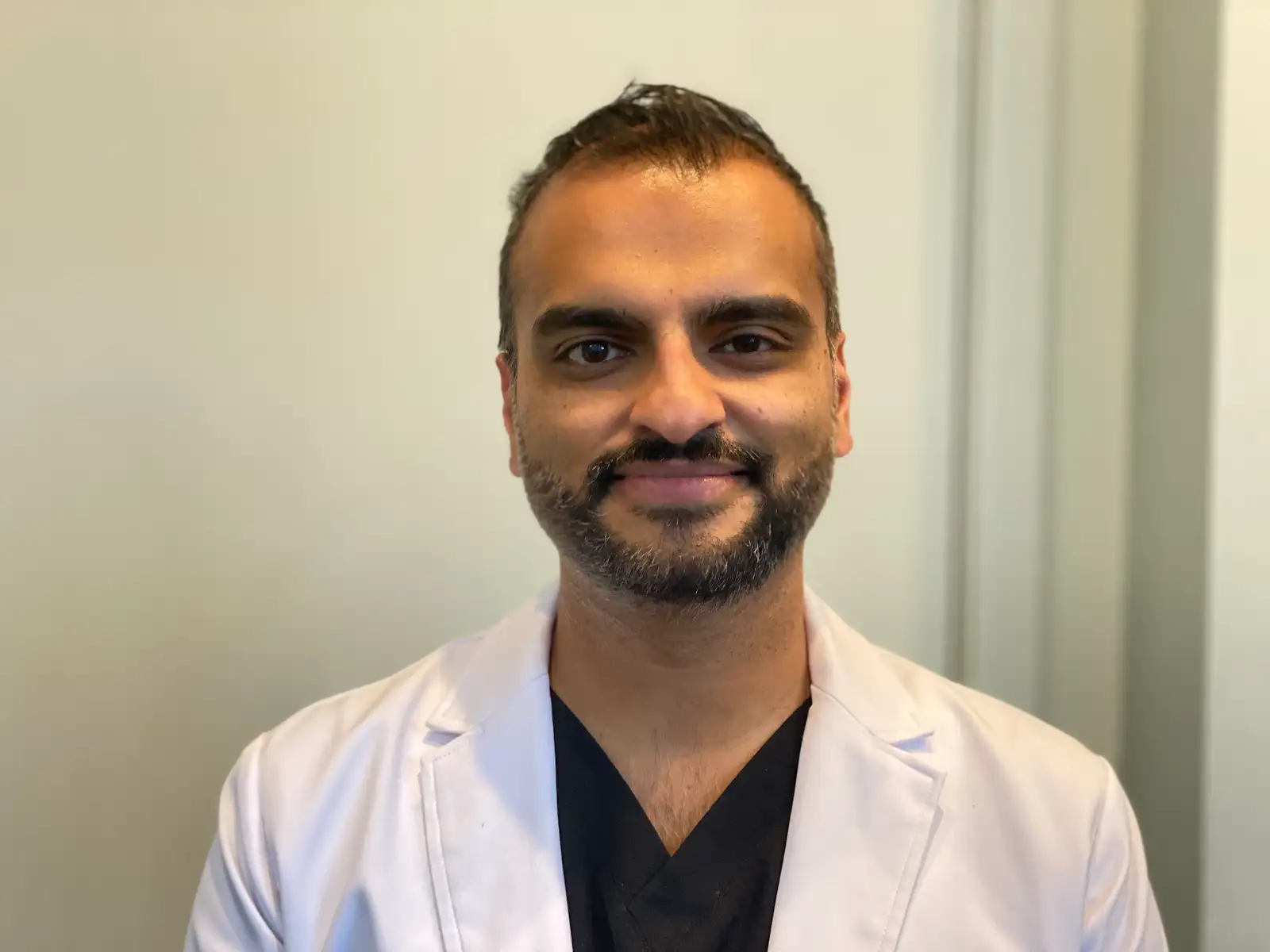
All regenerative medicine treatments at Motionis Medicine are performed by Dr. Tanuj Palvia, MD, a board-certified interventional pain medicine physician with advanced training in image-guided and regenerative orthopedic procedures.
Dr. Palvia carefully evaluates whether regenerative care is appropriate and integrates it into a long-term, non-surgical treatment strategy focused on function and durability.
RESULTS & EXPECTATIONS
Response to regenerative treatments varies based on:
The condition being treated
Severity and chronicity
Individual healing response
Schedule a Regenerative Medicine Evaluation
If joint, tendon, or spine-related pain is limiting your activity, a comprehensive evaluation can help determine whether regenerative medicine may be appropriate as part of your care plan.
Book an Appointment